
Why the Right Gear Matters
Getting ready for a forest walk isn't complicated, but it does matter. You're not training for a marathon — you're setting yourself up for a comfortable, safe day in nature. The difference between a great walk and an exhausting one often comes down to three things: your shoes, what you're carrying, and how you stay hydrated.
Most older walkers we see at Tērvete make one of two mistakes. They either pack far too much, thinking they need supplies for a week in the wilderness. Or they bring almost nothing, assuming a couple of hours won't require preparation. The sweet spot? A focused packing strategy that addresses the actual needs of your body and your route.
What You'll Learn
- How to choose footwear that supports your stride
- Core items that fit in a small backpack
- Hydration strategies for different walk lengths
- Layering techniques for changing weather
- Safety essentials that weigh almost nothing
Footwear: The Foundation of Comfort
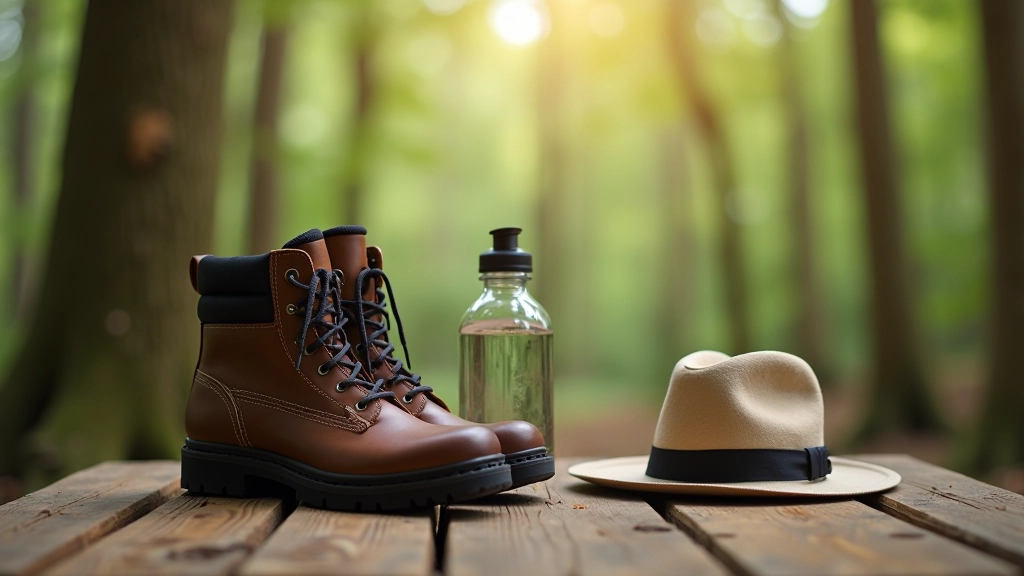
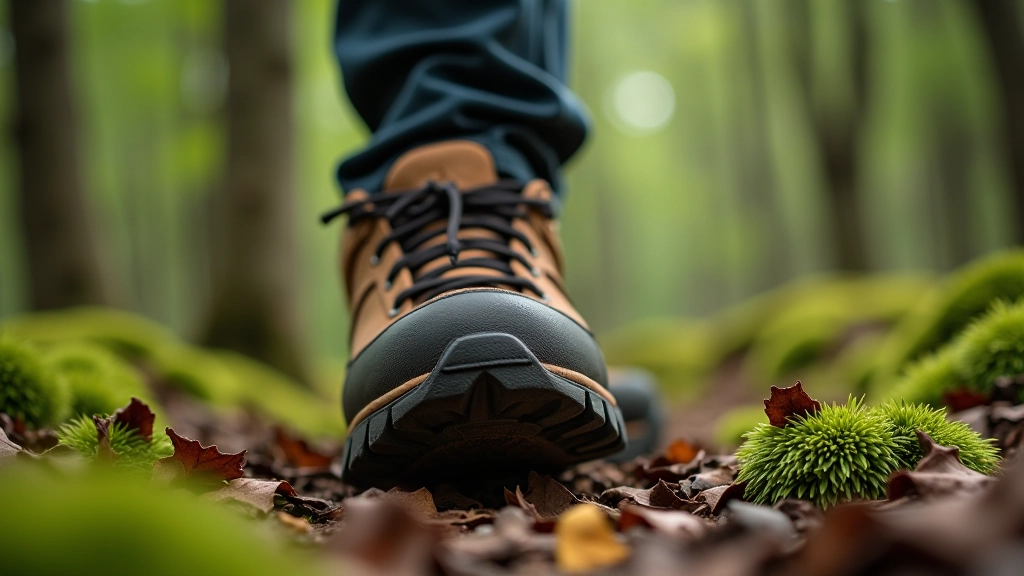
Your shoes are the single most important piece of equipment. Not fancy expensive ones necessarily — just the right ones for you. Walking in uncomfortable shoes on forest trails is genuinely unpleasant. You'll get blisters, your knees will ache, and you won't want to come back.
Look for hiking boots or sturdy walking shoes with:
- Ankle support — Not mandatory, but helpful on uneven terrain
- Cushioned soles — Reduces impact on joints
- Good grip — Tread that grips wet or loose surfaces
- Breathable material — Keeps feet dry in warmer months
- Tested comfort — Wear them around home first
Don't buy brand-new shoes for a trail. Wear them at least 5-6 times before tackling a longer route. Your feet will tell you if something's wrong before you're stuck in the forest.
Health Note: This guide provides educational information for planning forest walks. If you have specific health conditions, joint issues, or concerns about physical activity, consult your doctor before starting a new trail routine. Individual fitness levels vary — choose routes and distances appropriate for your current ability.
The Essential Backpack: Keep It Simple
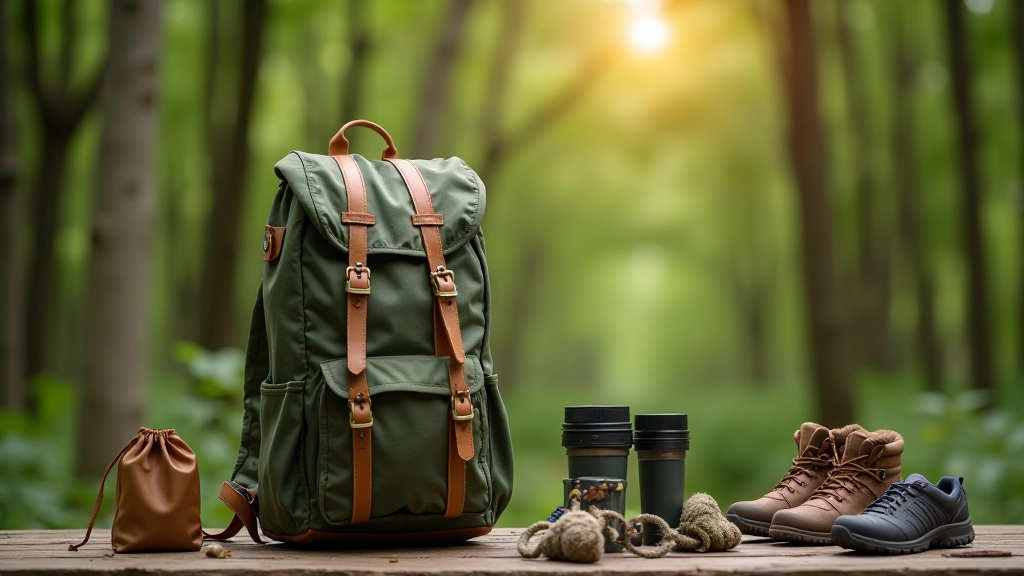
You don't need much. A small daypack — around 15-20 liters — is plenty. Anything bigger and you'll be tempted to overpack. Here's what actually goes in:
Water
1-1.5 liters depending on walk length. A 1-hour walk needs 500ml minimum. Longer routes? Bring more.
Snack
Banana, energy bar, or handful of nuts. Something that sits well in your stomach and gives quick energy.
Phone
For emergencies. Download offline maps of the trail area if possible.
First Aid
Small pack with bandages, blister treatment, and pain relief. Nothing fancy needed.
Sun Protection
Sunscreen and hat. Forest provides some shade, but sun exposure adds up.
Layer
Lightweight fleece or windbreaker. Weighs almost nothing, makes a huge difference.
That's honestly it. A good backpack distributes weight across your hips and shoulders, not just your shoulders. Look for one with padding and adjustable straps. Total weight? Maybe 3-4 kg (7-9 pounds) with everything in it. You'll barely notice it.
Hydration: More Important Than You Think
Dehydration sneaks up on you. You're walking, focusing on the scenery, and not paying attention to thirst. By the time you realize you're thirsty, you're already slightly dehydrated. This hits older adults harder because thirst signals become less reliable with age.
1-2 Hour Walk
Bring 500ml of water. Drink small amounts regularly — don't wait until you're thirsty.
2-3 Hour Walk
1 liter minimum. Include an electrolyte drink or sports drink if available. Water alone isn't quite enough on longer walks.
3+ Hour Walk
1.5 liters or more, depending on temperature. Stop for 10-15 minute breaks every hour where you sit and actually rest, not just pause briefly.
The actual drinking strategy matters. You'll absorb water better if you take small, frequent sips (maybe 100-150ml every 15-20 minutes) rather than one big drink every hour. And yes, bring a reusable bottle — it's better for the forest and you're supporting the park.
Pro Tip: Test Before You Go
Do a 30-minute walk with your full pack before a longer trip. Walk around your neighborhood or a local park. You'll learn how the backpack sits, whether it's comfortable, and if you're missing anything. Much better to figure this out close to home than on a longer route.
Ready to Head Out
Good gear choices make forest walks genuinely enjoyable. You're not carrying a lot — just the right things. Comfortable shoes, a small pack with essentials, and regular water breaks. That's the whole strategy.
The first time you walk into a forest well-prepared, you'll notice the difference immediately. Your feet don't hurt. You're not stressed about forgetting something. You can actually focus on the walk itself — the sound of trees, the smell of soil and pine, the rhythm of your pace. That's when forest walking becomes something you'll want to do again and again.
Start with shorter routes using this approach. Once you're comfortable with your gear and your own pacing, you can tackle longer trails at Tērvete or the pine woodland paths with real confidence.